
Industry Insights
Policy Approval Workflow for Healthcare
Published on July 30th, 2026
How Healthcare Organizations Keep Policies Current, Approved, and Ready for Accreditation
Healthcare organizations depend on policies to ensure safe, consistent care. A policy isn’t valuable simply because it exists—it is valuable because the right people are following the right version at the right time.
As healthcare organizations grow, that becomes increasingly difficult. Policies are updated, regulations change, accreditation standards evolve, and staff turnover occurs. Without a structured approval process, organizations quickly lose confidence that everyone is working from current information.
Why Policy Approval Matters
Every healthcare policy represents an operational decision. Whether it’s infection prevention, medication management, incident reporting, or patient privacy, policies guide how work is performed every day.
A well-designed approval workflow ensures that changes are:
- Reviewed by the appropriate stakeholders
- Approved before publication
- Distributed to affected teams
- Version controlled
- And available for future audits
Without that structure, organizations often rely on email, shared drives, and manual follow-up to manage critical updates.
Common Challenges
Many healthcare organizations experience similar issues:
- Policy reviews are delayed because approvals happen through email.
- Staff aren’t sure which version is current.
- Review dates are missed.
- Policy acknowledgements are difficult to track.
- Audit preparation becomes a manual exercise.
These aren’t document problems. They’re workflow problems.
A Modern Policy Approval Workflow
High-performing healthcare organizations follow a structured process.
Policy Created or Updated → Clinical & Operational Review → Approvals → Published → Staff Notified → Review & Audit
Every stage has a clear owner, defined responsibilities, and complete visibility into status.
Operational Truth
A policy isn’t controlled because it’s stored.
It’s controlled because everyone knows who approved it, which version is current, and when it takes effect.
Best Practices
Organizations with mature policy governance typically:
- Assign clear policy owners.
- Standardize approval workflows.
- Maintain complete version history.
- Track review and approval dates.
- Notify staff when policies change.
- Schedule recurring policy reviews.
- Maintain a complete audit trail.
The objective isn’t simply publishing policies. It’s ensuring those policies become part of everyday operations.
How Klyck Helps
Klyck helps healthcare organizations manage policy workflows from creation through review, approval, publication, and ongoing governance.
With configurable workflows, organizations can:
- Route policies to the right reviewers
- Track approvals and version history
- Notify staff when policies change
- Schedule recurring policy reviews
- Maintain a complete audit trail for accreditation and compliance
The result is greater visibility, stronger accountability, and more confidence that staff are working from current, approved policies.
Related Operational Insights
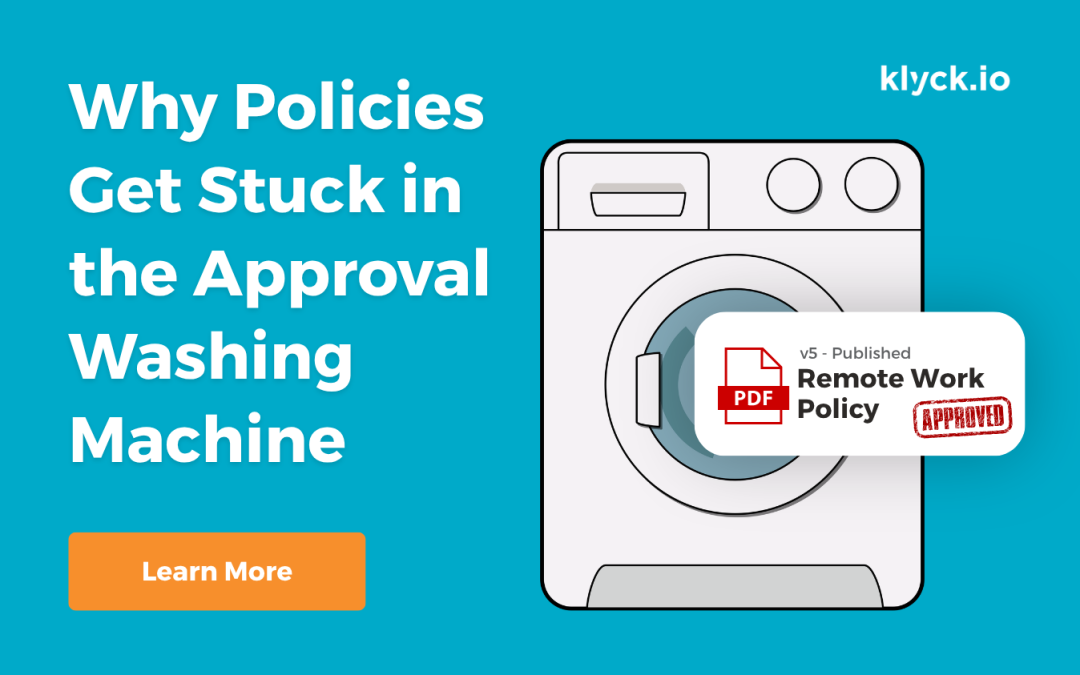
Why Policies Get Stuck in the Approval Washing Machine
Someone writes a new policy and it goes to several people for review. One responds immediately. Another sends comments two weeks later. Someone forwards it to another manager who wasn’t originally involved.
Your ERP Runs the Transactions. Who Runs the Work Between Them?
Industry InsightsSome of the biggest operational gaps in manufacturing exist between systems, departments, documents, and people.Published on September 30th, 2026Manufacturers have invested heavily in technology. Enterprise resource planning (ERP) systems manage...
Why Engineering Changes Break Down Between Departments
Industry InsightsThe engineering is often the easy part. The handoffs are where things get complicated.Published on September 18th, 2026An engineering change can look deceptively simple. Change a component. Update a drawing. Get an approval. Release the new revision....

Manufacturers Have Optimized the Shop Floor
Manufacturers have spent decades improving the shop floor. Lean manufacturing, Six Sigma, automation, ERP, MES, quality systems and continuous improvement programs have transformed how production is managed. Processes are mapped. Standards are established. Cycle times are measured. Bottlenecks are identified. KPIs tell leaders whether performance is improving or slipping. Walk into a well-run manufacturing facility and there is a good chance the organization can tell you exactly what is happening on the production floor.
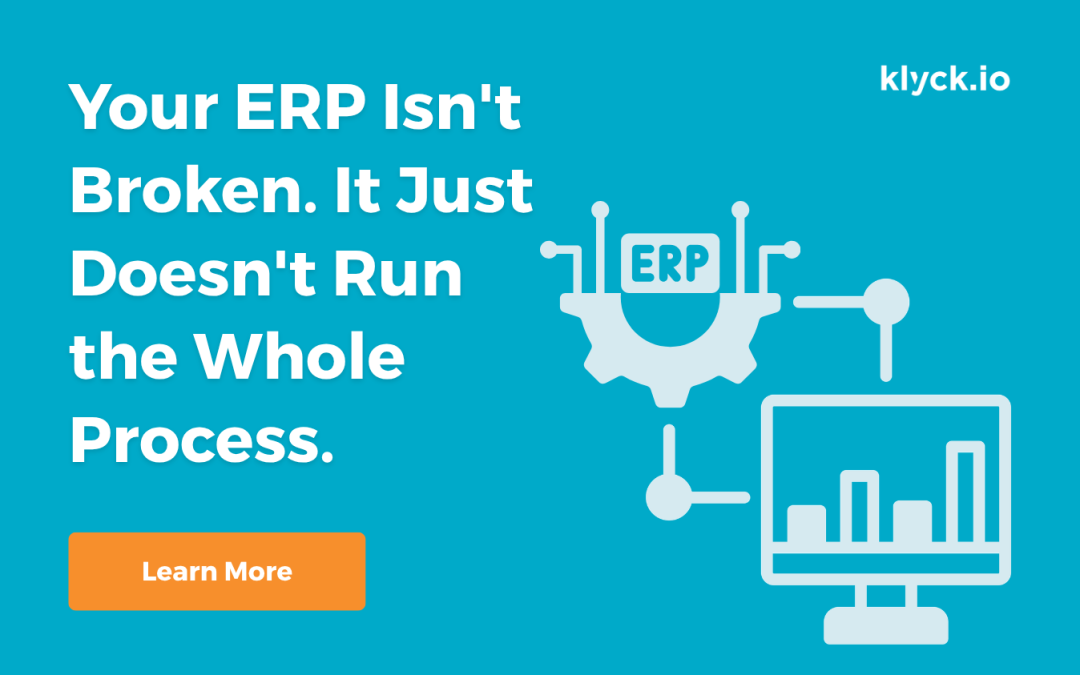
Your ERP Isn’t Broken. It Just Doesn’t Run the Whole Process.
ERP systems are very good at managing transactions. The problem is that many of your most important operational processes don’t begin and end inside the ERP.
Ready to Improve Your Policy Approval Process?
If your organization is still managing policy reviews through email, spreadsheets, or shared drives, we’d be happy to walk through your current workflow and show you how structured approvals can improve visibility, accountability, and audit readiness.