
Industry Insights
Why Engineering Change Control Breaks Down in Email and Shared Folders
Published on August 14, 2026
Engineering change processes are rarely simple. Even small changes often require coordination between engineering, quality, operations, etc. But in many organizations, engineering change workflows still rely heavily on email approvals, spreadsheets and shared folders. As manufacturing operations grow, those manual processes become increasingly difficult to control. The result is often delayed approvals, version confusion and missing accountability.
Why Engineering Change Processes Become Difficult to Manage
Engineering changes involve more than updating a document. Organizations also need to manage reviews, approvals and revision tracking.
Without structured workflows, teams often struggle to answer basic operational questions:
- Which version is approved?
- Who still needs to review this?
- Has production received the latest revision?
Email Is Not a Workflow System
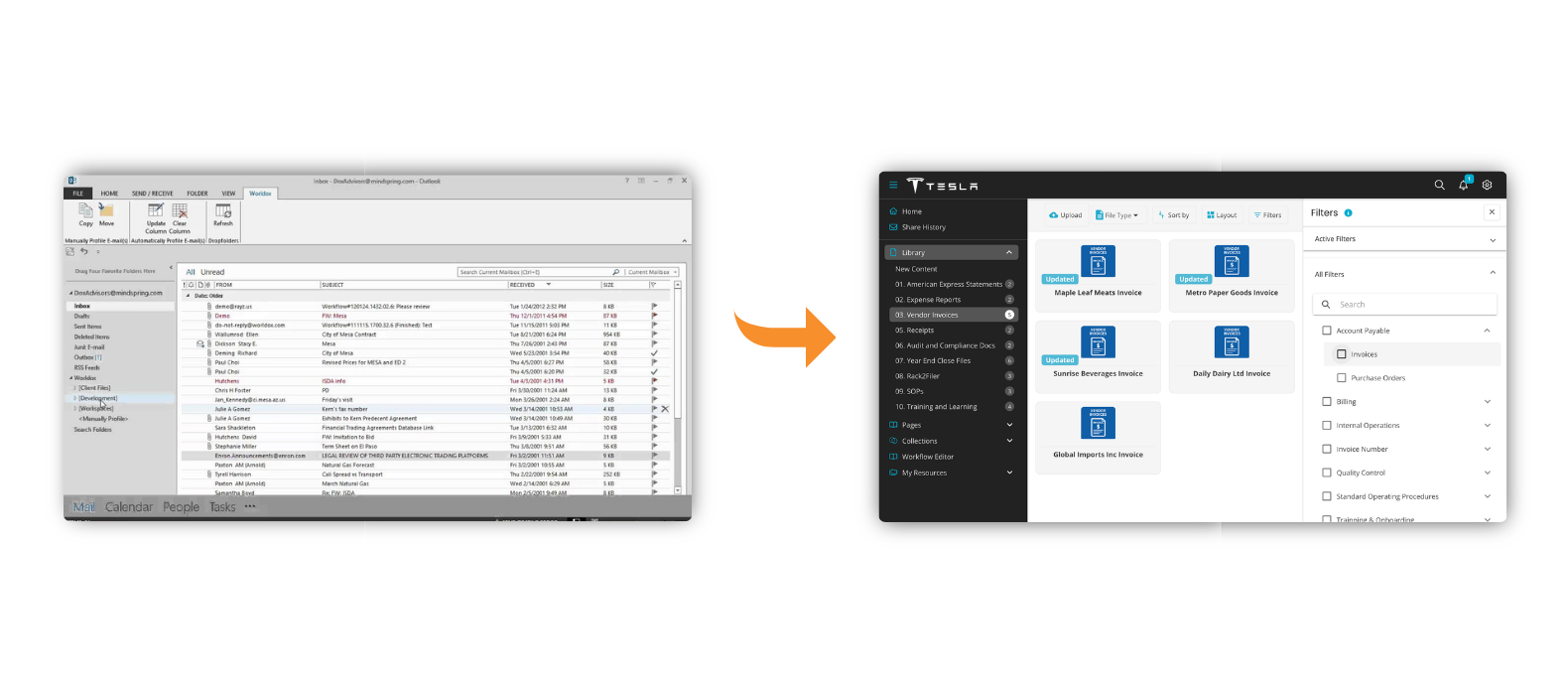
Many organizations begin with email-based approvals because they appear flexible and easy to use. But over time, email creates significant process limitations: approvals get buried, status becomes unclear and revisions circulate simultaneously. Engineering teams often spend unnecessary time chasing updates instead of moving projects forward.
Version Conflicts Create Operational Risk
One of the biggest risks in engineering change management is uncertainty around document versions. When outdated revisions continue circulating, organizations can experience production mistakes, quality issues and inconsistent procedures. Strong version control is not just administrative housekeeping. It is operational protection.
What Manufacturing Teams Need Instead
Modern engineering change workflows should provide structured approval, routing revision control, lifecycle visibility, centralized audit history, role-based permissions and clear status tracking. The goal is not simply storing engineering documents. The goal is controlling how engineering changes move through the organization.
Simpler Workflows Often Perform Better
Many organizations assume stronger control requires more complicated systems. In practice, overly complex workflows often reduce adoption. When systems become difficult to use, employees naturally create side processes through email, local copies and informal approvals. That weakens visibility and increases inconsistency.
The most effective engineering change workflows balance:
- control
- usability
- accountability
Moving Toward Controlled Engineering Workflows
Manufacturing organizations increasingly need systems that help standardize engineering approvals, revision control, change accountability and document lifecycle management without creating unnecessary administrative overhead. When workflows become easier to manage and document visibility improves, engineering teams can reduce delays, minimize confusion, and maintain better operational consistency across departments.
Related Operational Insights
Best Zoom Backgrounds for Sales Calls – Holiday Edition 2022
Klyck.io Blog Articles, news, tips, tricks and trendsBest Zoom Backgrounds for Sales Calls - Holiday Edition 2022 Last year we created a Best Zoom Backgrounds for Sales Calls – Holiday Edition for zoom sales calls which made Santa’s sleigh soar. As many sales calls...

What is Knowledge Management?
Klyck.io Blog Articles, news, tips, tricks and trendsWhat is Knowledge Management? Knowledge Management (KM) is the process of creating or collecting useful information, organizing it efficiently, distributing it across the business, and using it to create consistent...
Best Zoom Backgrounds for Sales Calls – Holiday Edition
Klyck.io Blog Articles, news, tips, tricks and trendsBest Zoom Backgrounds for Sales Calls - Holiday Edition Dec 9th, 2020 Last year we created a list of Zoom backgrounds for remote sales calls. Then we made a holiday edition. Little did we know that we’d be still be...

5-Step Guide to Creating Better Sales Playbooks
Klyck.io Blog Articles, news, tips, tricks and trends5-Step Guide to Creating Better Sales Playbooks April 19th, 2022 When sales teams have a ready-made sales playbook at their fingertips, they are better equipped to engage potential customers and make the sale. What...
Still managing engineering changes through email threads and shared folders?
Modern workflow systems can help manufacturing teams improve approval visibility, reduce version conflicts, and maintain better control over engineering change processes.