
Klyck.io Blog
Articles, news, tips, tricks and trends
Knowledge Management
Team collaboration
Project Management
Note-Taking management
Sales Enablement
Content Management
The Ultimate Guide to Content Management
Businesses are increasingly relying on content management platforms to streamline operations and enhance productivity, but why? According to recent studies, implementing a content management system can lead to a 61% increase in ROI through optimized content strategies. While this statistic alone underscores its importance, there is so much more to it!
This guide explores the essential components, benefits, and best practices of content management to help businesses leverage their content effectively.
What is Content Management?
Content management encompasses a range of activities aimed at creating, organizing, publishing, and managing digital content. This includes:
Content Creation: Developing high-quality, relevant content tailored to the needs and interests of your audience. Effective content creation involves understanding your target audience and crafting content that resonates with them.
Content Organization: Structuring content in a logical and searchable manner to facilitate easy retrieval and reuse. This includes categorizing content based on topics, keywords, and metadata to ensure it remains organized and accessible.
Content Publishing: Efficiently delivering content to multiple channels such as websites, social media platforms, and email newsletters. A streamlined publishing process ensures consistency and timeliness in content delivery.
Content Governance: Establishing guidelines and workflows to manage the content lifecycle, including creation, editing, approval, and archival. Content governance ensures compliance with organizational policies and regulatory requirements.
Benefits of Content Management
Implementing a content management platform offers several benefits:
Time Savings and Productivity: Businesses can save significant time and increase productivity by streamlining content workflows. A centralized content repository and revised publishing processes reduce duplication of efforts and manual tasks.
Improved Performance: Content management practices enhance performance and ensure better security. Regular updates, tailored filters, notifications and recommendations guide reps to ensure they make every conversation count.
Extended Content Reach: Effective content management expands the reach of content across various platforms and channels. This increases visibility and enhances brand awareness among a broader audience.
Personalized Content Delivery: Businesses can improve customer engagement by delivering the right content to the right people at the right time. Content management systems leverage data analytics to personalize content recommendations and promotions.
Improved Content Repurposing: Content management systems facilitate the repurposing and reuse of existing content for different marketing campaigns and initiatives. This maximizes the value of content assets and ensures consistent messaging across channels.
Enhanced Workflow Efficiency: Integrated content management systems streamline workflow processes, from content creation to distribution. Automation of routine tasks and collaboration tools improves team efficiency and collaboration.
Implementing and Managing a Content Management System
Choosing the right Content Management System (CMS) is crucial for successful content management.
When searching for one, keep these considerations in mind:
Configuration: Customizing the CMS to align with specific business requirements, including workflows, user roles, and permissions. A flexible and scalable CMS adapts to evolving organizational needs.
Training: Providing comprehensive training to content creators, editors, and administrators to ensure effective use of the CMS. Training sessions cover system functionalities, best practices, and troubleshooting techniques.
Regular Maintenance & Revisions : To ensure your content remains effective and up-to-date, regularly schedule audits and updates. This proactive approach keeps your team equipped with the latest, most relevant information, maximizing efficiency and effectiveness in their roles.
Best Practices
To optimize content management efforts, businesses should try to adopt these following best practices:
Content Strategy: Developing a well-defined content strategy aligned with business goals and audience preferences. A strategic approach to content creation ensures consistency, relevance, and effectiveness.
Analytics: Utilizing data analytics to measure content performance, identify trends, and refine content strategies. Analytics provide actionable insights into audience behavior, content engagement, and conversion rates.
Integration: Integrating the CMS with other business systems such as Customer Relationship Management (CRM) and Marketing Automation platforms. Seamless integration enhances data synchronization, improves workflow efficiency, and enables personalized customer interactions.
Conclusion
Effective content management is essential for businesses aiming to achieve organizational goals. By implementing a content management system, leveraging technology, and prioritizing user experience, businesses can effectively manage their content lifecycle and drive sustainable growth.
Ready to get started on your content management journey? Klyck simplifies and streamlines sales processes by providing an intuitive platform where all necessary sales materials are easily accessible. This reduces time spent searching for information and improves overall sales efficiency. By centralizing resources, it enhances collaboration among team members. This enables sales representatives to focus more on selling rather than on administrative tasks, leading to increased productivity and more closed deals.
Store all Popular File Types: Whether it’s PDFs, videos, Microsoft documents, images, CAD files, or HTML5 content, Klyck supports a wide range of file types crucial for sales enablement.
Organize with Custom Filters, Tags and Categories: Use custom tags, filters, and categories to organize your content library efficiently. This ensures that team members can quickly locate and access the right materials.
Control Access with Groups & Permissions: Easily manage access permissions to ensure that sensitive content is shared securely within your team or organization.
Microsoft 365 Integration: Seamlessly edit Microsoft files directly within Klyck, maintaining version control and collaboration efficiency.
Ready to see Klyck in action? Experience a guided tour of our content management features to discover how Klyck can transform your sales process.
Maximize your content impact, drive sales success, and take your organization to new heights of effectiveness and efficiency! Get started with Klyck today: https://klyck.io/request-a-demo/
For more information, check out www.klyck.io/resources
RECENT ARTICLES
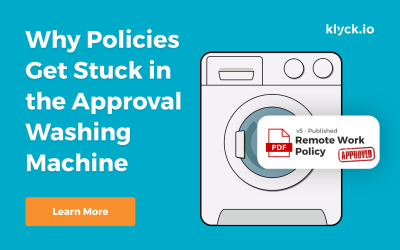
Why Policies Get Stuck in the Approval Washing Machine
Someone writes a new policy and it goes to several people for review. One responds immediately. Another sends comments two weeks later. Someone forwards it to another manager who wasn’t originally involved.

Your ERP Runs the Transactions. Who Runs the Work Between Them?
Industry InsightsSome of the biggest operational gaps in manufacturing exist between systems, departments, documents, and people.Published on September 30th, 2026Manufacturers have invested heavily in technology. Enterprise resource planning (ERP) systems manage...

Why Engineering Changes Break Down Between Departments
Industry InsightsThe engineering is often the easy part. The handoffs are where things get complicated.Published on September 18th, 2026An engineering change can look deceptively simple. Change a component. Update a drawing. Get an approval. Release the new revision....

Manufacturers Have Optimized the Shop Floor
Manufacturers have spent decades improving the shop floor. Lean manufacturing, Six Sigma, automation, ERP, MES, quality systems and continuous improvement programs have transformed how production is managed. Processes are mapped. Standards are established. Cycle times are measured. Bottlenecks are identified. KPIs tell leaders whether performance is improving or slipping. Walk into a well-run manufacturing facility and there is a good chance the organization can tell you exactly what is happening on the production floor.
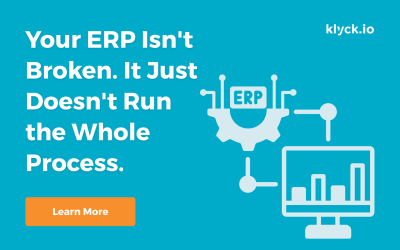
Your ERP Isn’t Broken. It Just Doesn’t Run the Whole Process.
ERP systems are very good at managing transactions. The problem is that many of your most important operational processes don’t begin and end inside the ERP.
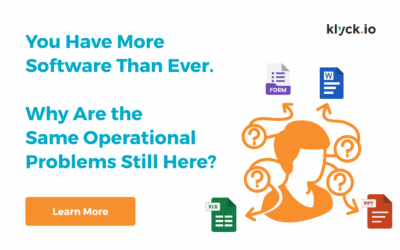
You Have More Software Than Ever. Why Are the Same Operational Problems Still Here?
Manufacturers have invested heavily in ERP, MES, QMS, collaboration tools and automation. Yet spreadsheets, manual workarounds, tribal knowledge and disconnected processes remain everywhere. Why?
Actionable tips, tricks and trends