
Industry Insights
How Teams Simplify SOP Approvals and Revision Control
Published on July 2nd, 2026
Standard operating procedures are only effective when teams trust they are using the correct version.
But in many organizations, SOP management still relies heavily on email approvals, shared folders, spreadsheet tracking and manual revision processes. As organizations grow, those approaches become increasingly difficult to control consistently. The result is often outdated procedures remaining in circulation, delayed approvals and inconsistent revisions.
For manufacturing and regulated environments, these issues can create both operational and compliance concerns.
Why SOP Processes Become Difficult to Manage
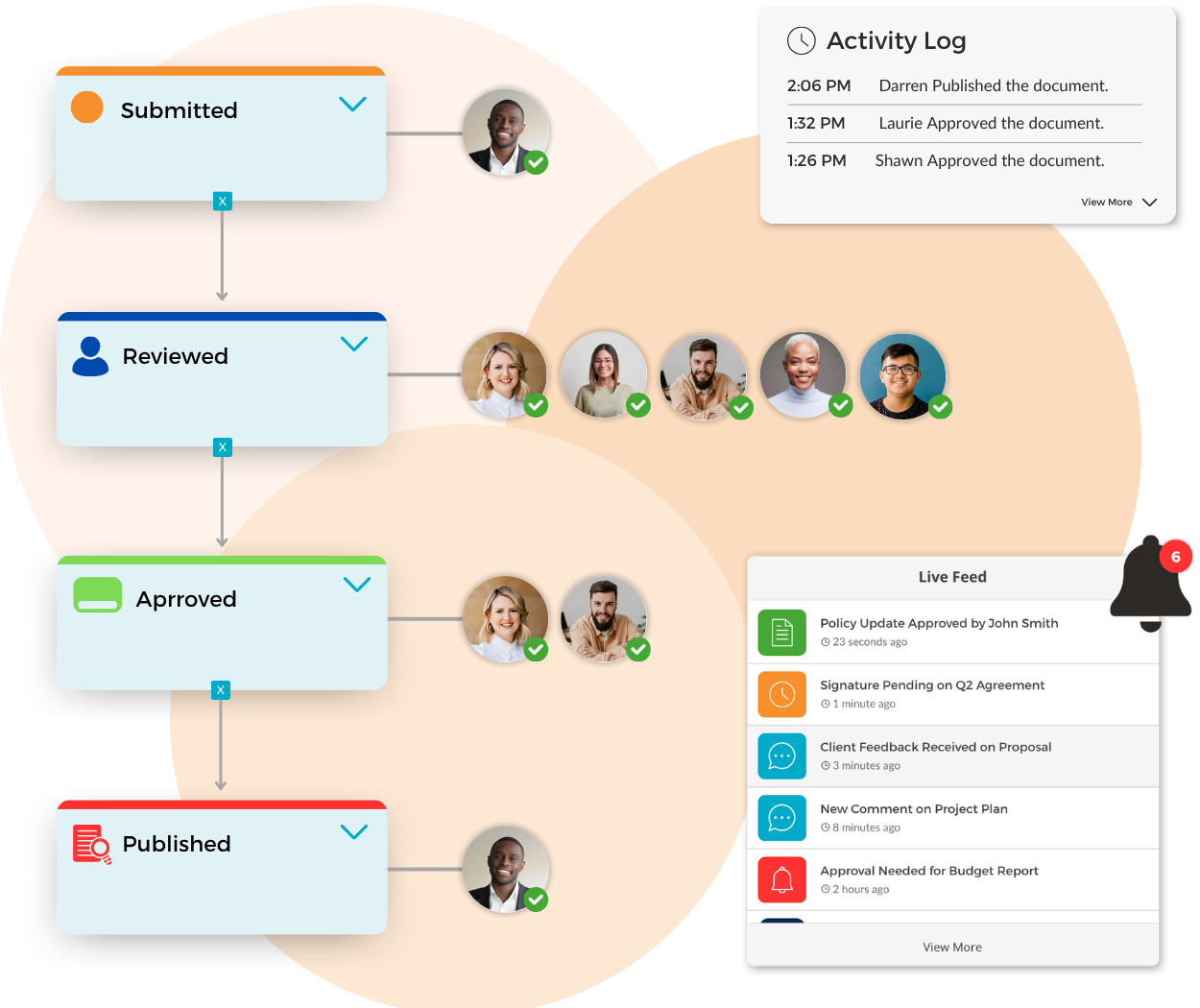
SOP workflows typically involve multiple stages such as draft, review, approve, update, etc. Without structured workflows, teams often struggle with unclear approval status, inconsistent review processes and duplicate versions. Over time, the process itself becomes difficult to maintain.
Version Confusion Creates Process Risk
One of the most common operational challenges is uncertainty around which procedure is current. When outdated SOPs remain accessible, organizations risk inconsistent execution, training issues, process deviations and operational confusion. Version control is not just about storing documents properly. It is about ensuring teams consistently follow approved processes.
Email-Based Approvals Slow Everything Down
Many SOP approval processes still move through long email chains. This often creates delayed responses, unclear ownership and scattered revisions. Employees waste time trying to determine who still needs to approve, which revision is final and whether changes were reviewed properly. As organizations scale, manual coordination becomes increasingly inefficient.
What Modern SOP Workflows Should Provide
Modern document workflow systems should make it easier to route approvals automatically, track revision history, maintain centralized visibility, enforce review processes and control document access. Without requiring excessive administrative overhead. The goal is to simplify controlled processes — not complicate them further.
Simplicity Improves Adoption
One of the biggest reasons SOP initiatives struggle is that workflows become too difficult to follow consistently. When processes feel cumbersome, employees naturally create workarounds like local copies, side approvals and informal document sharing. That weakens both visibility and governance. Organizations increasingly need workflow systems that balance, process control, usability, operational flexibility and clear accountability.
Building More Consistent Approval Processes
Modern organizations are moving toward workflow systems that provide centralized document control, structured approvals, revision tracking and lifecycle visibility. This helps reduce approval delays, process inconsistency and operational confusion. While improving confidence that teams are following the correct procedures consistently.
Related Operational Insights
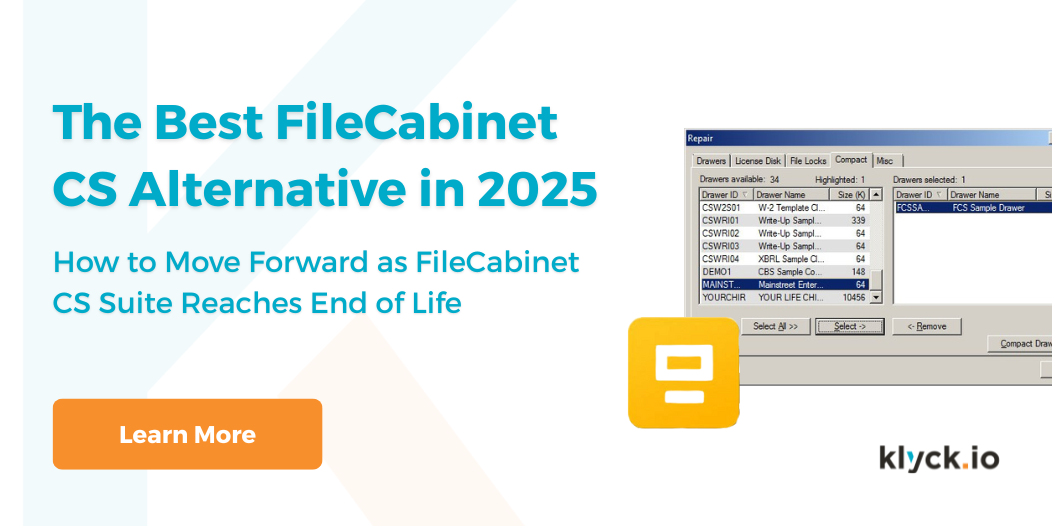
The Best FileCabinet CS Alternative in 2025
Klyck.io Blog Articles, news, tips, tricks and trendsThe Best FileCabinet CS Alternative in 2025 How to Move Forward as FileCabinet CS Suite Reaches End of Life November 27th, 2025 FileCabinet CS has been a reliable document storage solution for many years. Businesses...

Top Holiday Zoom, Teams & Slack Backgrounds for 2025
Klyck.io Blog Articles, news, tips, tricks and trendsTop Holiday Zoom, Teams & Slack Backgrounds for 2025 It’s that time of year again when our calendars fill up faster than a plate at a holiday potluck, and virtual meetings start to feel a little more… festive. A...
How Document Management Systems Help Behavioural Health Facilities Stay Compliant and Efficient
Behavioural health facilities face growing pressure to stay compliant, organized, and audit-ready — often with limited resources. Learn how a Document Management System (DMS) can streamline policy tracking, safety documentation, and accreditation prep while saving time for your team.
Still managing SOP approvals through email and shared folders?
Modern workflow systems can help teams improve revision control, reduce approval delays, and maintain better operational visibility across controlled document processes.